Sony has announced major price increases for the PS5, PS5 Pro, and PlayStation Portal. Learn the “why” behind the RAM shortage and rising costs.
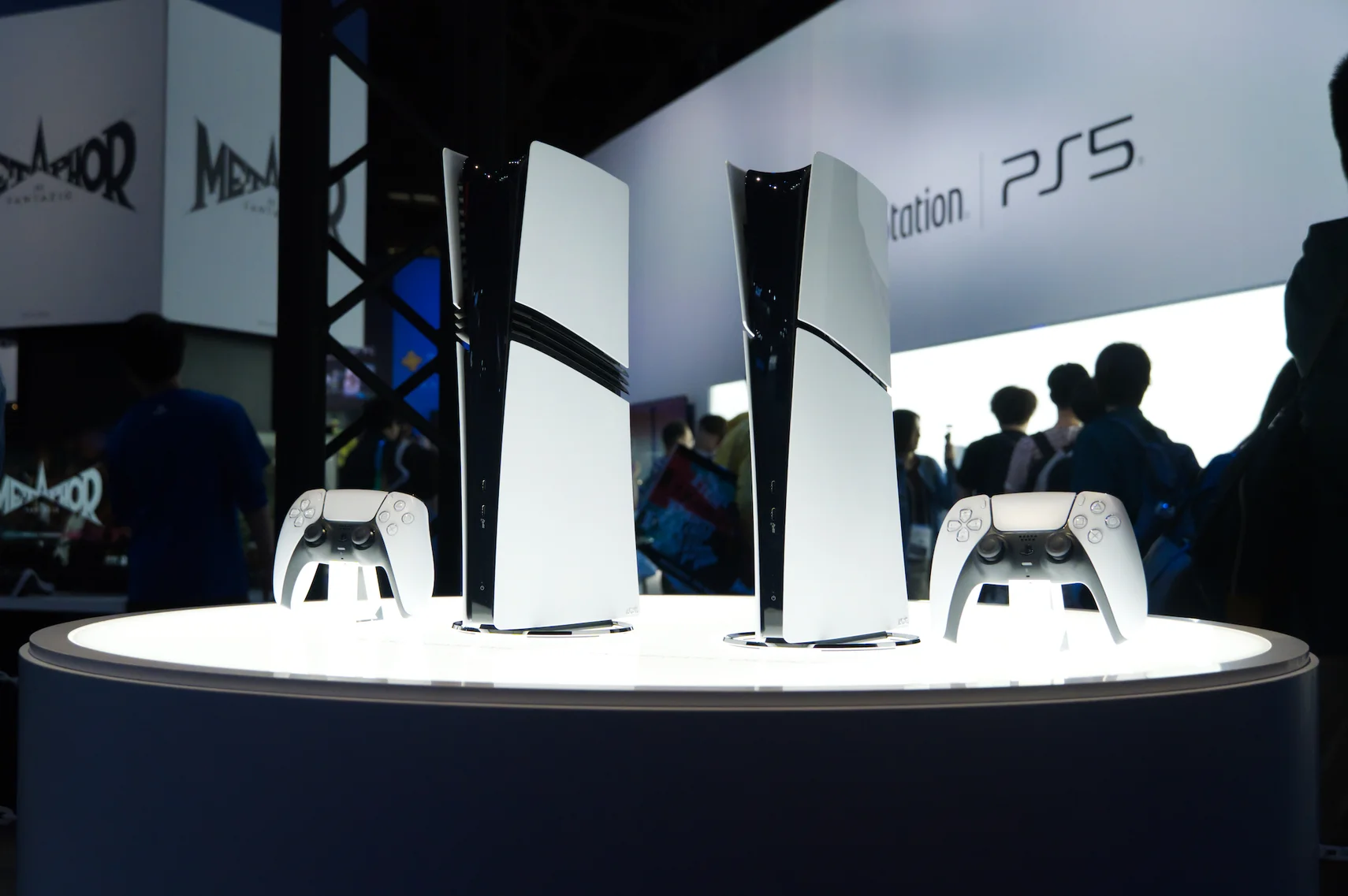
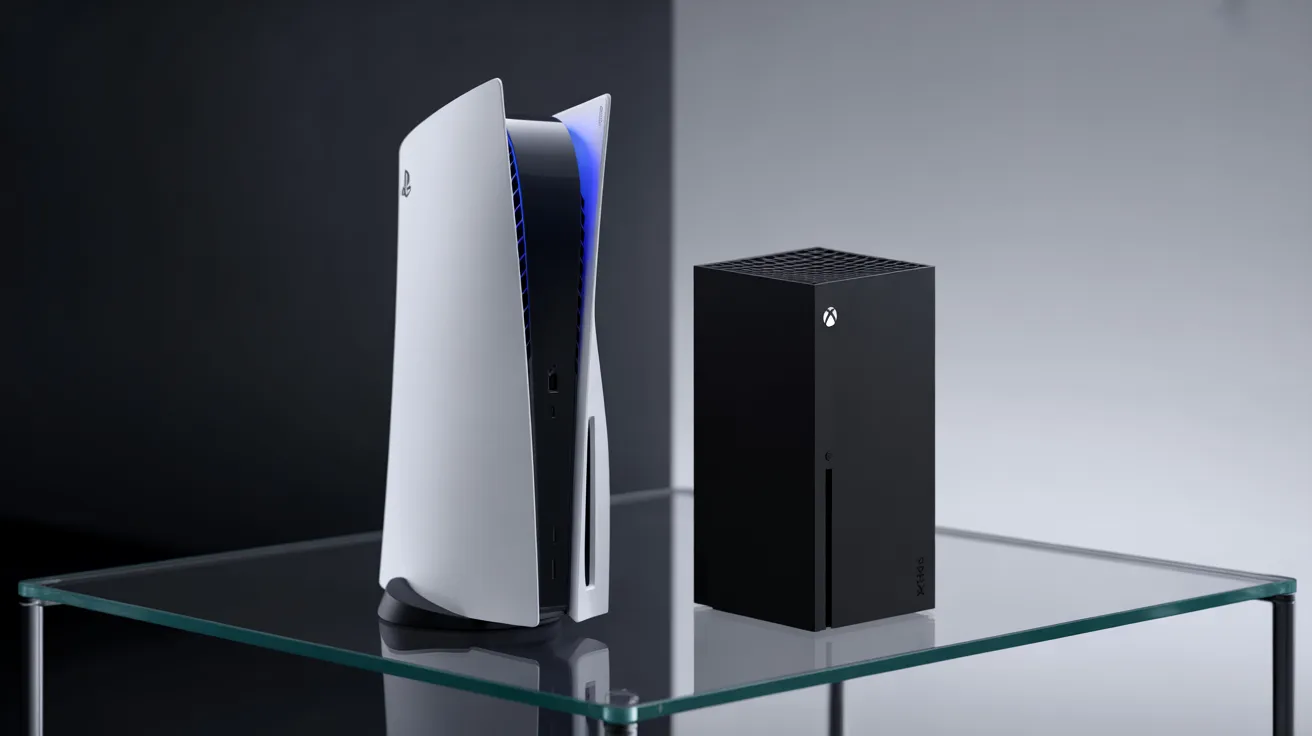
In a move that has sent shockwaves through the gaming community, Sony Interactive Entertainment (SIE) has officially announced a second major global price increase for the PlayStation 5 family within a single year. Effective April 2, 2026, the cost of entry for “Next-Gen” gaming has shifted from a premium luxury to a high-stakes investment.
This isn’t just “marketing fluff” or a minor adjustment for inflation. We are witnessing a fundamental shift in the physics of hardware manufacturing. For TechRebot readers, here is the deep-tissue breakdown of the “why” behind the foam of this announcement and the technical grit driving these record-breaking prices.
1. The New Price Reality: A Global Breakdown
The price hikes affect every major territory, with the United States seeing some of the most significant jumps. According to SIE Vice President Isabelle Tomatis, the decision was “necessary” to maintain the quality of the PlayStation ecosystem amid unprecedented economic pressure.
| Product | Old Price (USD) | New Price (USD) | Increase |
| PlayStation 5 Pro | $749.99 | $899.99 | +$150 |
| PS5 (Disc Edition) | $549.99 | $649.99 | +$100 |
| PS5 Digital Edition | $499.99 | $599.99 | +$100 |
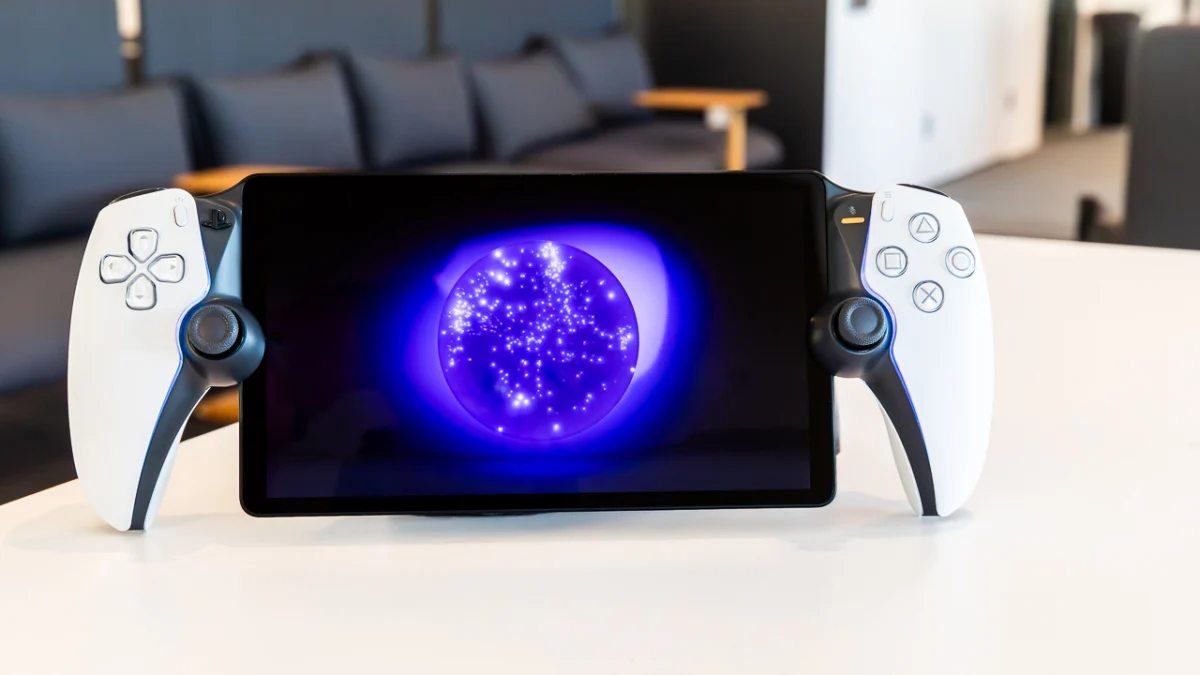
| PlayStation Portal | $199.99 | $249.99 | +$50 |
2. The RAM Crisis: Why Memory is the New Gold
The primary driver behind this $150 hike for the PS5 Pro is the Global RAM and HBM (High-Bandwidth Memory) Shortage of 2026.
In 2024 and 2025, the tech world pivoted almost entirely toward Artificial Intelligence. Memory manufacturers like Micron and SK Hynix have redirected their production lines to satisfy the insatiable demand for high-margin AI data center chips. This has left consumer electronics—specifically high-performance consoles that require massive bandwidth for 4K/120FPS gaming—competing for a dwindling supply of “scraps.”
- The Grit: Memory modules now account for over 35% of the total Bill of Materials (BOM) for a PS5 Pro.
- The Result: When the cost of a single component jumps by 40% in a quarter, the “price-for-volume” strategy of the last 20 years of gaming collapses.
3. Geopolitical Friction and Logistics
Beyond the silicon, the “grit” of this price hike is tied to global supply chains. Recent reports indicate that escalating tensions in the Middle East have disrupted key shipping routes, doubling logistics costs for heavy hardware. Furthermore, a critical shortage of Helium, essential for semiconductor manufacturing, has added another layer of “friction” to the production line.
Sony is effectively passing these “environmental” costs directly to the consumer to protect their hardware margins, which have been razor-thin since the launch of the mid-cycle Pro refresh.
4. The Death of the “Mid-Cycle Price Cut”
Historically, game consoles get cheaper as they age. By year four or five, we usually expect a “Slim” model and a $100 price drop. 2026 has officially murdered that tradition.
Analysts at TrendForce note that because of the AI Infrastructure Supercycle, the cost of manufacturing a PS5 today is actually higher than it was at launch in 2020. This “Inverse Learning Curve” means that the longer a console stays on the market, the more expensive it becomes to build—a nightmare scenario for budget-conscious gamers.
5. What This Means for the “PS6” and Beyond
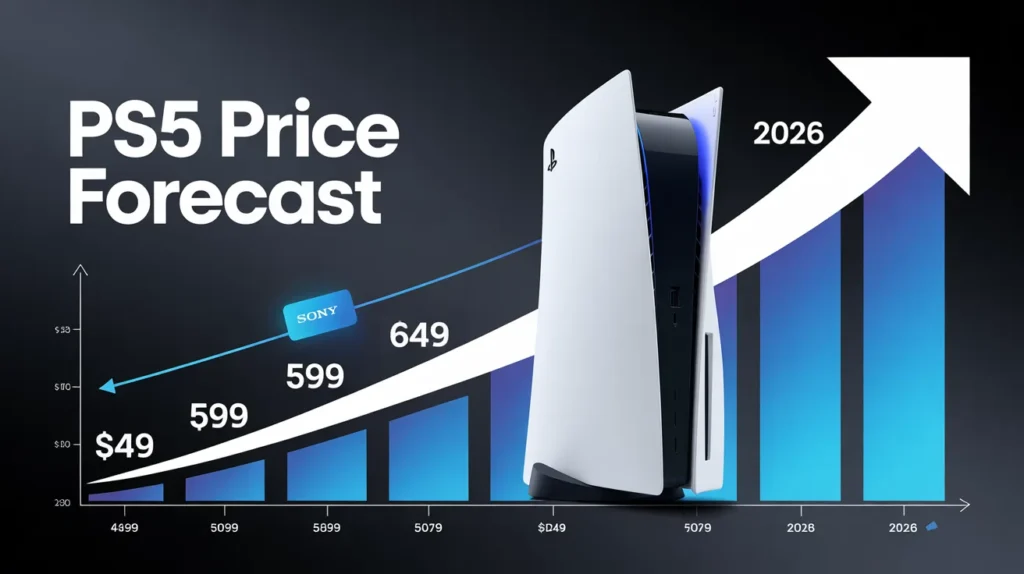
With the PS5 Pro now touching the $900 mark (and likely exceeding $1,100 in markets like Pakistan and Brazil after taxes), the industry is bracing for a “stagnation gap.” If the entry price for a console is nearly $700, the “impulse buy” market disappears.
This has already fueled rumors that Sony may delay the PlayStation 6 until 2028 or 2029, as they struggle to design a next-gen machine that is both a leap forward in power and affordable enough for a mass-market audience.
The Final Takeaway
The PS5 price increase of 2026 is a loud warning: the era of subsidized hardware is over. As AI continues to cannibalize the global supply of semiconductors and memory, gaming hardware is becoming a secondary priority for chipmakers. If you were waiting for a “Price Drop” to jump into the PlayStation ecosystem, the data suggests that April 2, 2026, is the last time you’ll see these “low” prices for the foreseeable future.