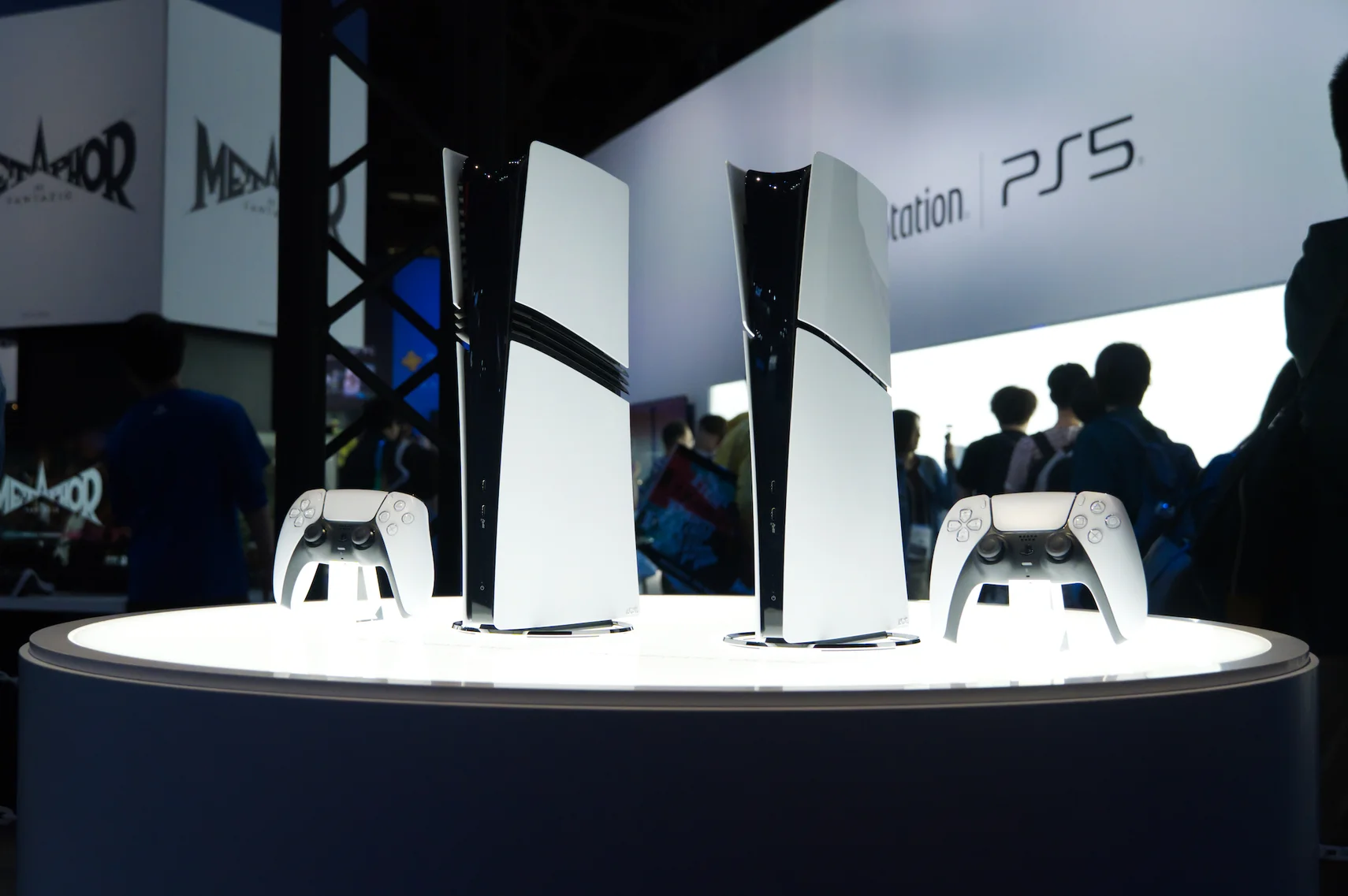
In 2026, price hike to $249.99, is the PlayStation Portal still a must-buy? We analyze the new 1080p High Quality mode, cloud streaming growth, and the global RAM shortage.




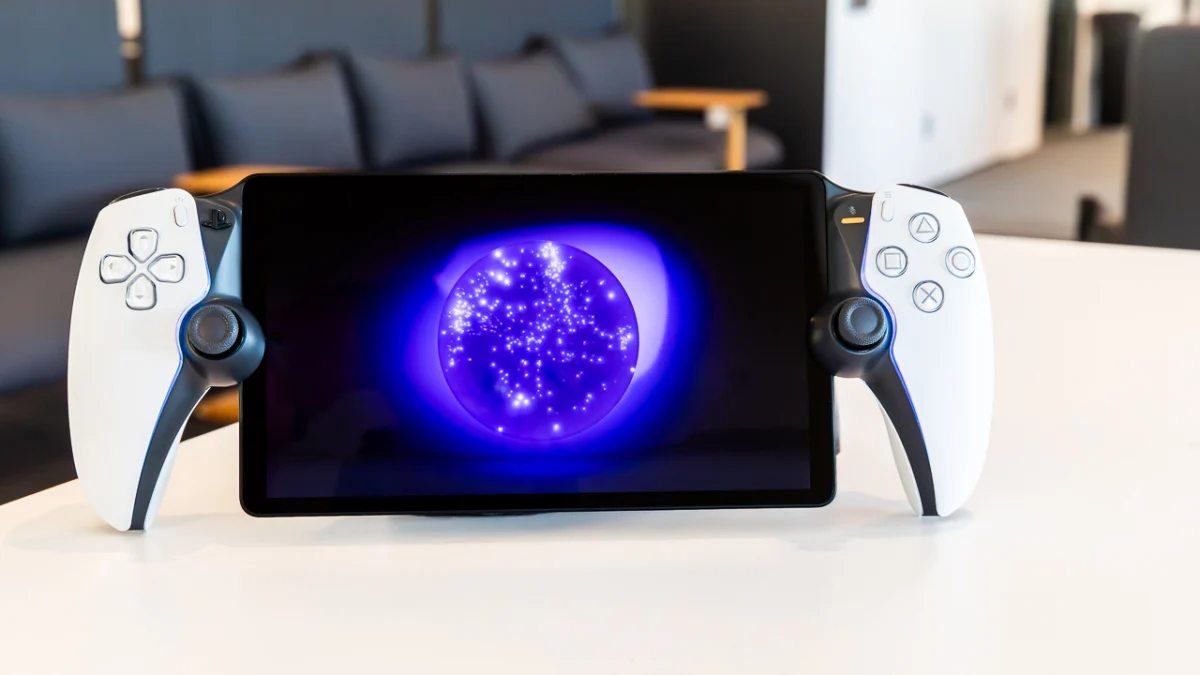
As we navigate the hardware landscape of late March 2026, the PlayStation ecosystem is facing a “price-to-performance” identity crisis. Following Sony’s official announcement on March 27, 2026, the PlayStation Portal is undergoing its first major price correction, jumping from its launch-era $199.99 to a new MSRP of $249.99, effective April 2, 2026.
For TechRebot readers, this $50 increase isn’t just “inflation noise.” It is a symptom of a deeper shift in the physics of semiconductor manufacturing and a pivot in how Sony views handheld gaming. With the “Digital Hand” of AI agents and cloud infrastructures now mature, the question isn’t just if the device is worth the money, but if the “grit” of its new features can justify the “foam” of its rising cost.
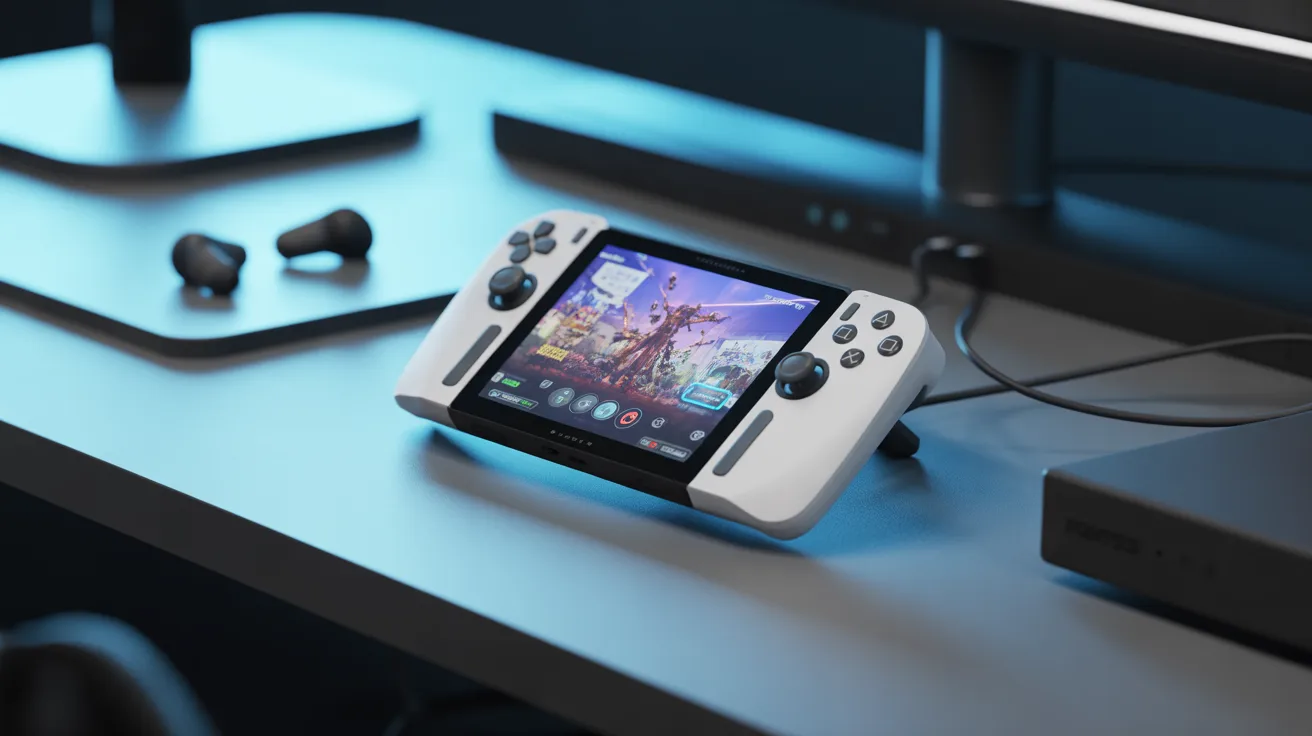
The jump to $249.99 puts the Portal in direct competition with entry-level native handhelds. Why the increase now, two years post-launch? The answer lies in the Global RAM Shortage of 2026.
As enterprise AI data centers continue to cannibalize the supply of high-bandwidth memory (HBM) and DDR5, consumer electronics manufacturers are facing record-high “Bill of Materials” (BOM) costs. Sony Vice President Isabelle Tomatis cited “continued pressures in the global economic landscape” as the driver, but the reality is that the 8-inch LCD and the specialized Wi-Fi 6E/7 streaming modules are now more expensive to source than they were at launch. Sony has opted to protect its hardware margins rather than subsidize the device as a “loss leader” for the PS5 Pro.
Until the Firmware 7.0.0 update in March 2026, the biggest criticism of the Portal was its “artifacting”—the blurry, blocky “foam” that appeared during high-motion scenes in games like Returnal or Spider-Man 3.
The new 1080p High Quality Mode is the technical “grit” the community has been waiting for. This isn’t a resolution bump—the screen is still 1080p—but a bitrate revolution.
The Portal is no longer just a “Remote Play” mirror. In 2026, it has successfully transitioned into a Cloud Gaming Terminal.
As of January 2026, Cloud Streaming users grew by 162% year-over-year. Over 50% of Portal owners are now PS Plus Premium subscribers. Why? Because the January update finally fully integrated the ability to stream digital PS5 games directly from Sony’s servers without the need for a local console to be “on.”
The March 2026 update also overhauled the “friction points” that plagued early adopters:
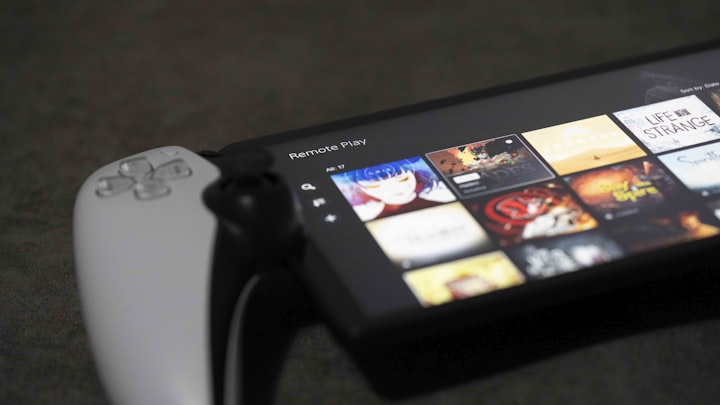
At $249.99, the PlayStation Portal is no longer a “budget accessory.” It is a premium peripheral for a very specific type of user.
Buy it if:
Skip it if:
The PlayStation Portal in 2026 is a testament to the fact that software can save hardware. While the price hike is a bitter pill for the “affluent gaming” market, the technical refinements to bitrate and cloud autonomy make it a significantly better product than it was at launch. It’s no longer a “Remote Play” toy—it’s the gateway to the PlayStation Cloud Ecosystem.