Discover the future trends of AI agents from 2026–2030, including autonomous systems, multi-agent collaboration, and integration with research, SEO, and business workflows.
1. AI Agents
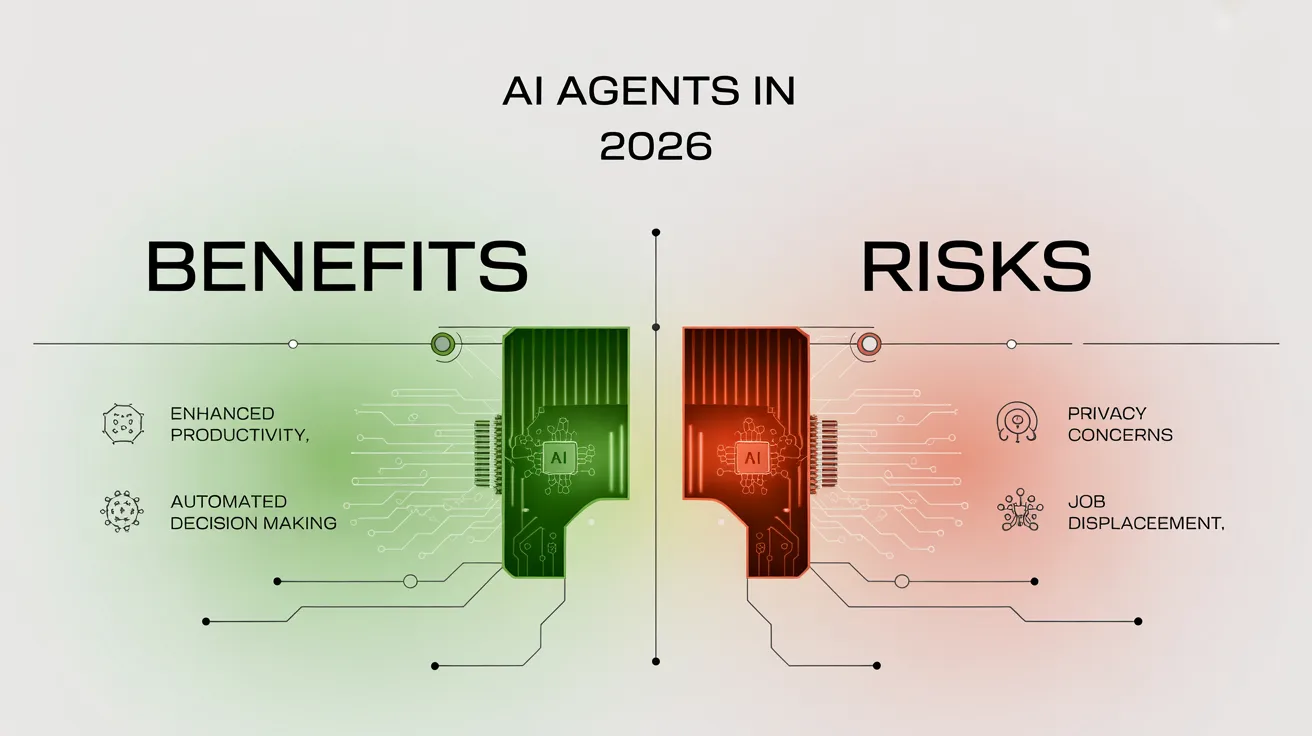
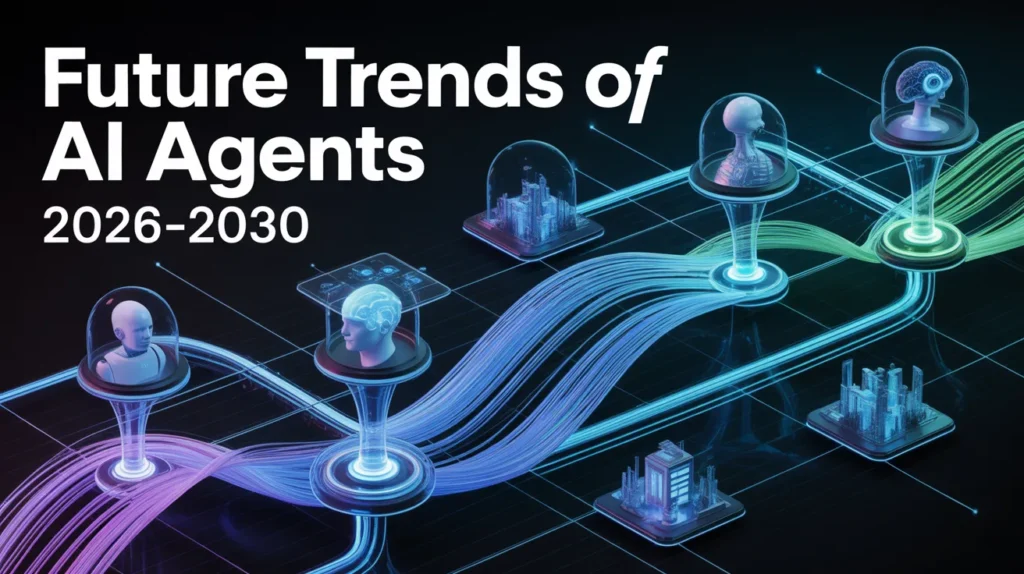
The development of AI agents is high. The coming generation is not only going to help man but also perform autonomous workflows, cooperate with other agents, and simply become part of research, business, and SEO systems.
The main lesson to be learned is the need to remain on top of trends of AI agents so that you can use them to gain a competitive edge.
2. Fully Autonomous Workflows
- The end-to-end processes will be handled by agents.
- Action performance and multiphase decision-making.
- There is self-monitoring and performance optimization.
Example:
An AI agent automatically researched trending keywords, composed posts, and scheduled them, while monitoring the performance metrics of a marketing campaign.
3. Multi-Agent Collaboration
- The AI agents collaborate in teams to work on complex tasks.
- Specialization: There are those who perform research, and those who perform analysis or execution.
- Eliminates mistakes and enhances productivity.
Example:
With enterprise SEO, one agent is tracking competitor sites, another is clustering topics, another is writing, and another is scheduling publications, all at the same time.
4. Real-Time Integration
- Uninterrupted connectivity to APIs, databases, SaaS tools, and LLMs.
- Platform-independent access and update of instant data.
- Allows flexible workflow in response to evolving requirements.
Example:
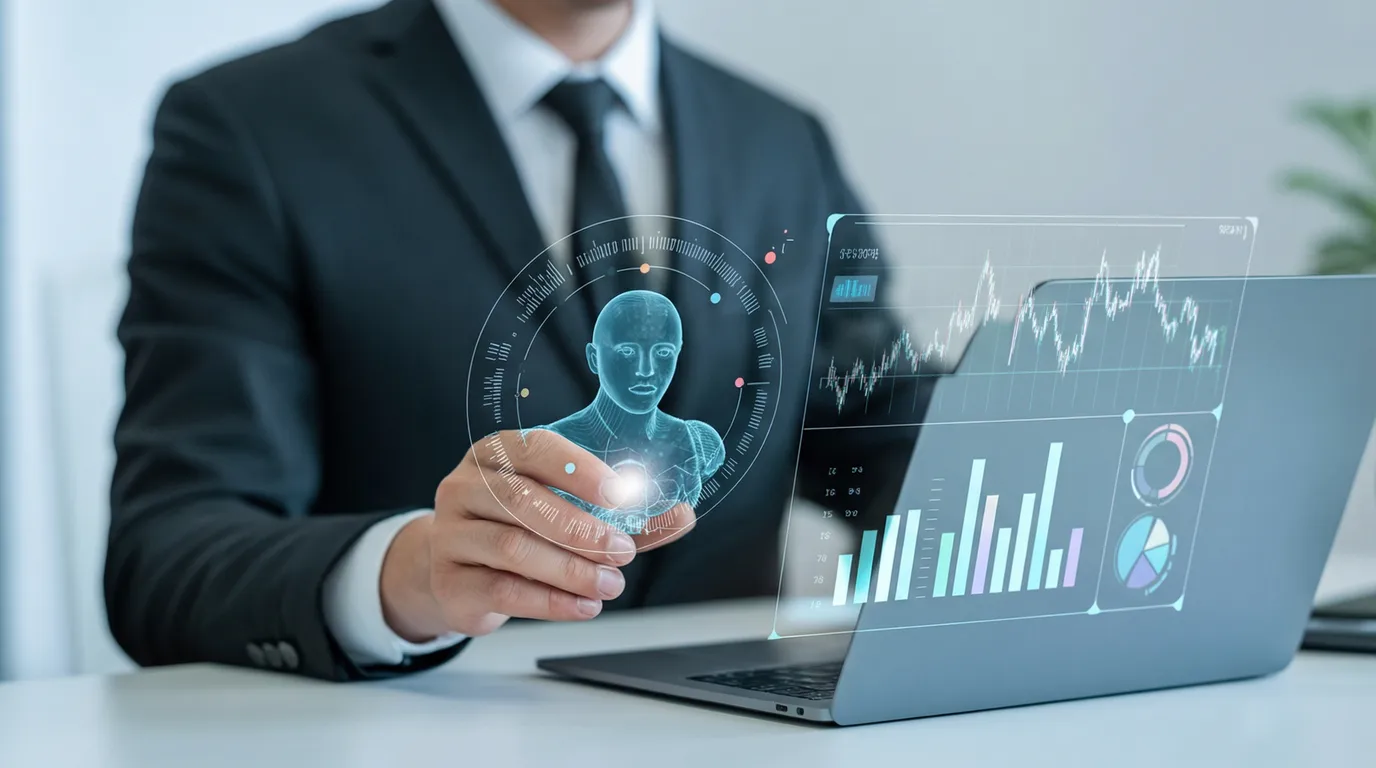
AI agents that track stock movements in the global market use real-time market data to adjust investment strategies.
5. Digital Research Assistants
- Robots that do their own research specifically on behalf of an individual.
- Drawing on the knowledge of different sources.
- Providing real-time actionable recommendations.
Example:
A research agent constantly monitors academic publications, news, and social media to provide a live overview of emerging AI trends and inform content and strategy planning.
6. Enhanced SEO & Content Capabilities
- Semantic content clustering, automated.
- The search engine and LLM should be optimized using AI.
- Constant testing and revision of content plans.
Example:
AI agents are dynamic and optimize the content on websites according to traffic, search pattern, and competitor activity without having to be fed manually.
7. Ethics, Governance, and Regulation Trends
- More attention to ethical AI application and disclosure.
- Rules can specify the appropriate agent practice and information management.
- Governance policies will be required for organizations implementing AI agents.
Example:
Companies that use research agents must ensure they do not violate copyright and privacy laws.
8. FAQ Section
Q1: What will the future AI agents do?
A: Independent multi-step workflows will be done, they will liaise with other agents, and real-time integration will be made with research, SEO, and business systems.
Q2: What will the role of AI agents become in the future in terms of SEO?
A: Agents will be used to automate content clustering, semantic optimization and strategy updates to provide continuously refined workflows.
Q3: Will the ethical and regulatory factors influence the adoption of AI agents?
A: Yes, the agencies will require compliance, transparency, and governance to use AI agents safely and legally.