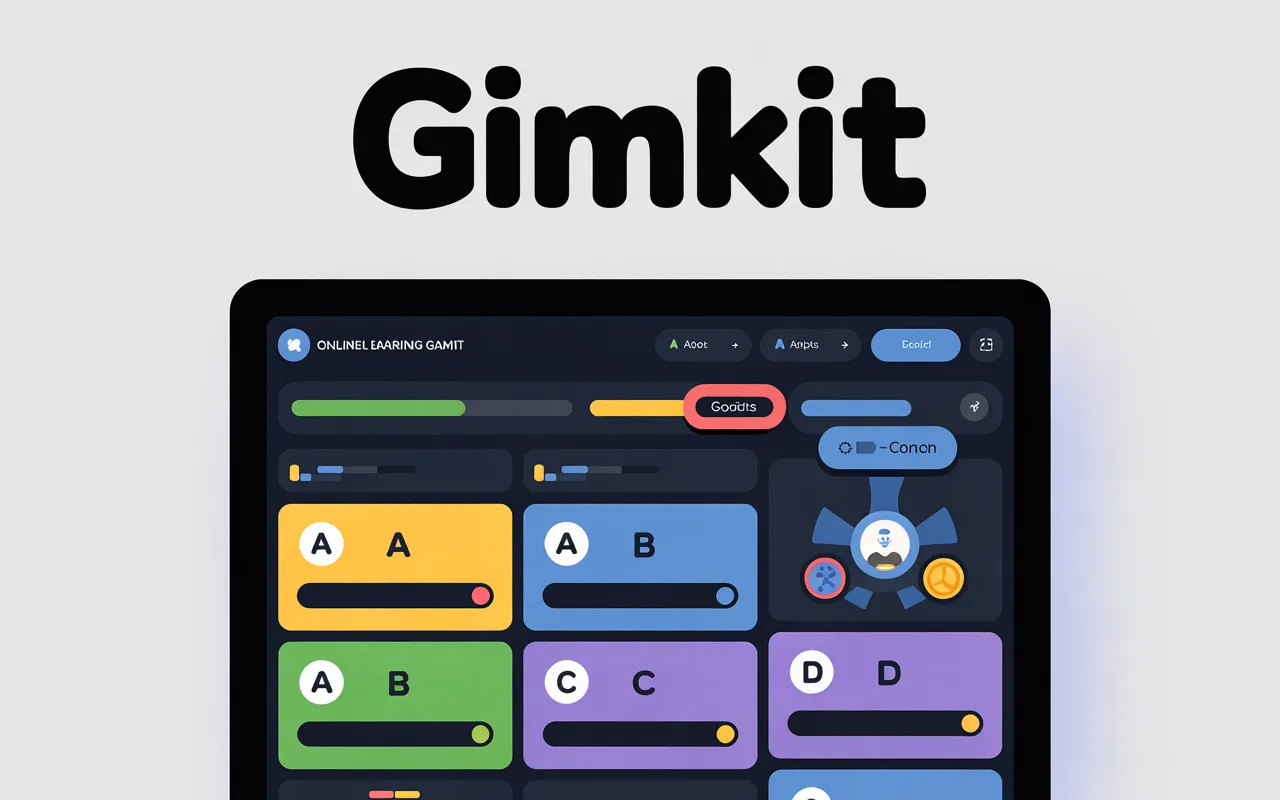
Gimkit: The Classroom Game Students Are Obsessed With

Move past the “gamified quiz” foam. Discover the technical grit of Gimkit’s 2026 Season 2, from economy balancing to the physics of the 2D Top-Down engine.

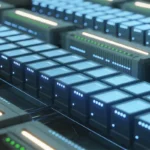
In 2026, the educational technology sector is littered with “engagement foam”—platforms that slap a leaderboard on a multiple-choice quiz and call it a game. Gimkit has survived the bubble because it moved in the opposite direction. It focuses on the Technical Grit of game design: economy loops, binary pressure, and the physics of the 2D top-down engine.

With the launch of 2026 Season 2, Gimkit has doubled down on “Living Systems.” Here is the deep-tissue breakdown of why this engine works when others stall.

1. The Physics of the 2D Engine: WebGL & Collision Grit

Unlike the static “flash-card” style of the past, Gimkit’s 2D Game Modes (introduced in earlier seasons and refined for 2026) operate on a WebGL-based engine.

  • The Foam: Basic browser games often suffer from “input lag foam,” where the character feels floaty and unresponsive.
  • The Grit: Gimkit uses a high-frequency Collision Detection System. Whether you are playing a Platformer mode (where gravity is a constant variable) or a Top-Down mode (where you move in four directions), the server handles position updates in real-time “ticks.” This ensures that when you “Tag” an opponent in Tag: Domination, the interaction is frame-perfect.

2. The “Why” Behind the Economy: Binary Pressure

Gimkit’s core is not the questions; it is the In-Game Economy. Every correct answer “injects” currency into a closed system, creating what we call Binary Pressure.

Inflation vs. Deflation

In modes like Classic or Diamond Rush, the game uses a Scaling Multiplier.

  • The Physics: As players earn more, the cost of “Power-ups” increases exponentially. This creates a “Pressure Valve” that prevents any single player from reaching an infinite wealth loop too early.
  • The Result: This maintains the “Grit.” Players have to constantly decide between “Buying the Foam” (temporary visual perks) or “Investing in the Grit” (permanent multipliers and streak bonuses).

3. 2026 Season 2: The “Living” Cosmetic Shift

April 2026 marks the arrival of the Veggie Pack, Gimkit’s first Dynamic Cosmetic Pack. This isn’t just a static skin; it’s a programmatic asset.
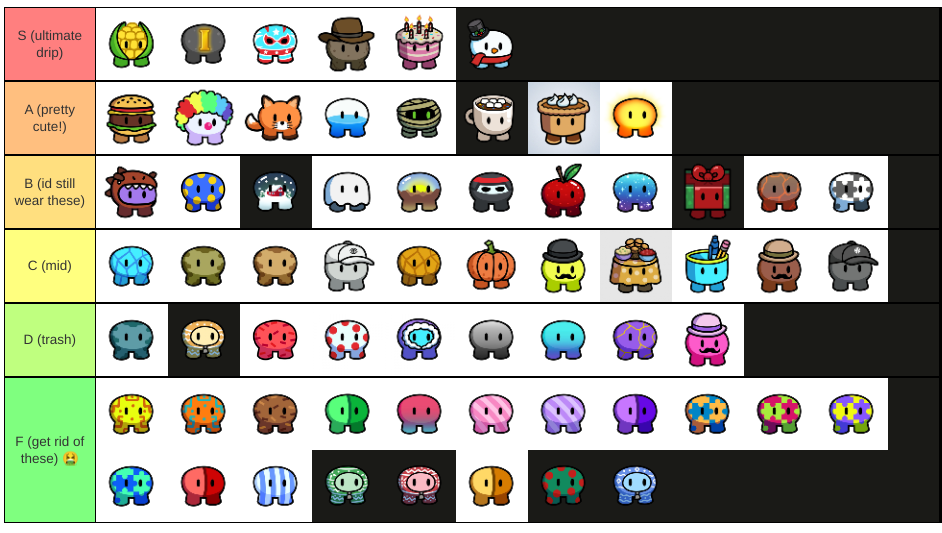
  • Dynamic Gims: The “Uncommon” Gim in the Veggie Pack changes its visual state based on the day of the week. This is handled through a Server-Side Trigger that updates the client-side sprite sheet automatically.
  • The Season Ticket: With over 20 exclusive cosmetics, the 2026 Season 2 ticket has shifted toward Status Grit. Players aren’t just earning XP; they are unlocking “Exclusive Access Devices” in Gimkit Creative, allowing them to build their own maps with higher prop limits (up to 25 maps per Pro account).

4. The “Trust No One” Logic: Social Deduction Physics

Modes like Trust No One (the social deduction mode) rely on a Hidden Variable Architecture.

  • The Mechanism: The “Imposter” identity is a server-side flag hidden from the client-side code to prevent browser-extension hacks (like the “LazySquid” scripts common in early 2026).
  • The Grit: The game forces a “Tension Loop.” Players must answer questions to gain “Investigation Power,” but doing so makes them vulnerable. It is the perfect balance of academic effort and strategic survival.

Gimkit 2026 Comparison: Game Mode Taxonomy

Mode TypeExample ModeThe “Grit” (Primary Goal)The “Foam” (Visual Layer)
StrategyFarmchainResource ManagementGrowing/Selling Crops
PvPSnowbrawlSkill-Based AccuracySnowball Particle Effects
Co-opOne Way OutSurvival & CommunicationSpaceship/Zombies
ExplorationDig It UpMap Traversal LogicBuried Resource Tiles

Strategic Summary for TechRebot

Gimkit isn’t a quiz tool; it is a Behavioral Engine. By focusing on the “physics” of the game economy and the responsiveness of the 2D engine, it creates a high-pressure environment where learning is the only way to “vent” that pressure.For the TechRebot reader, the takeaway is clear: In 2026, if you want engagement, you have to build systems that have Grit. You have to give the user a reason to stay in the pipe, and in Gimkit, that reason is the perfectly balanced struggle for the next upgrade.

Oliver Jerome

Oliver Jerome

Hi, I’m Oliver, the person behind TechRebot. I’m passionate about exploring new technology, AI tools, and digital trends that are shaping the future. Through TechRebot, I share simple, easy-to-understand insights to help readers discover useful tools, understand emerging tech, and stay updated in this fast-moving digital world.

Subscribe to Our Newsletter

Keep in touch with our news & offers

What to read next...

Leave a Reply

Your email address will not be published. Required fields are marked *